



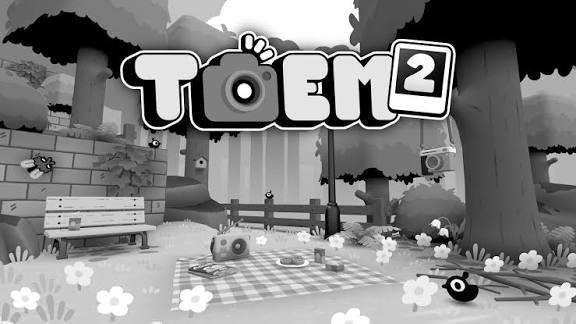
TOEM 2 doesn’t try to reinvent the cozy photography formula that made the 2021 original special. Instead, Something We Made delivers a refined, slightly expanded follow-up that deepens the joy of slow observation while introducing just enough new movement and tools to keep the experience feeling fresh.
Game Information
Before exploring the world of TOEM 2, here are the essential details.
| Category | Details |
| Developer |
Something We Made
|
| Publisher |
Something We Made / Popagenda
|
| Platforms |
PC, PS5, Nintendo Switch, Switch 2
|
| Release Date |
September 29, 2026
|
| Genre |
Cozy adventure / Photography puzzle
|
| Price | Approx. $15–20 |
| Playtime |
4–5 hours for a full playthrough
|
A Sequel Built on Quiet Confidence
The original TOEM succeeded because it understood the value of stillness. It invited players to look closely at a black-and-white world, help quirky characters through photography, and find wonder in small details. TOEM 2 carries that same philosophy forward with confidence rather than ambition.
You once again play as a curious traveler with a camera. The goal is to explore new regions, complete stamp requests by photographing specific subjects or solving light environmental puzzles, and gradually unlock the next destination. The core loop remains comforting and low-pressure.
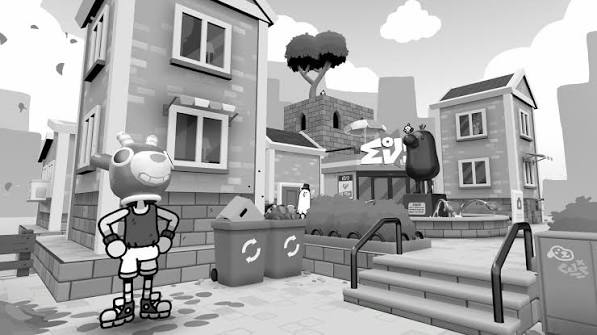
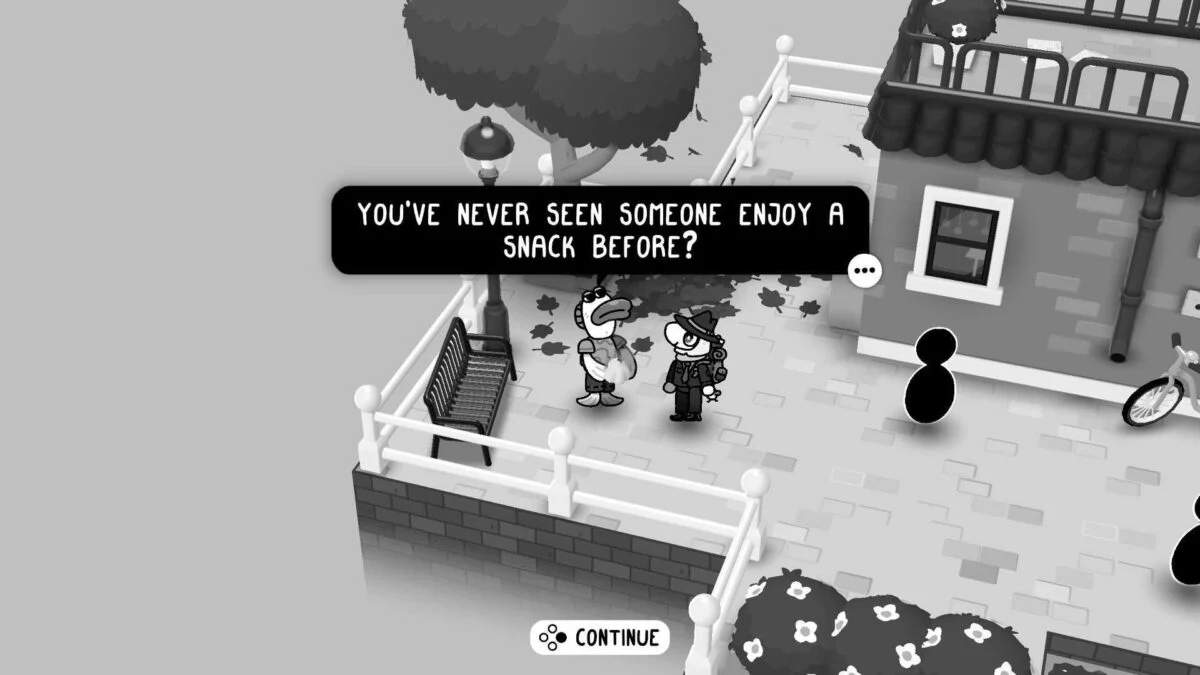
The most noticeable change is the shape of the spaces. Levels now feature greater verticality. Jumping and climbing open higher vantage points and hidden corners that the flatter layouts of the first game could not offer. This subtle shift encourages players to look up and around more deliberately, reinforcing the central theme of careful observation.
Photography, Tools, and Progression
The camera remains the heart of the experience. The viewfinder has been cleaned up, removing unnecessary interface elements so attention stays on the world and its inhabitants.
Key changes include:
- New tools such as a hammer and wrench that expand interaction options in certain areas
- More generous stamp quests with low friction
- Progression that never feels restrictive
These additions work, though some tools occasionally feel more like temporary gadgets than natural extensions of the photography fantasy. Players who enjoyed the slightly sharper puzzle moments of the original may notice that overall challenge has been reduced.
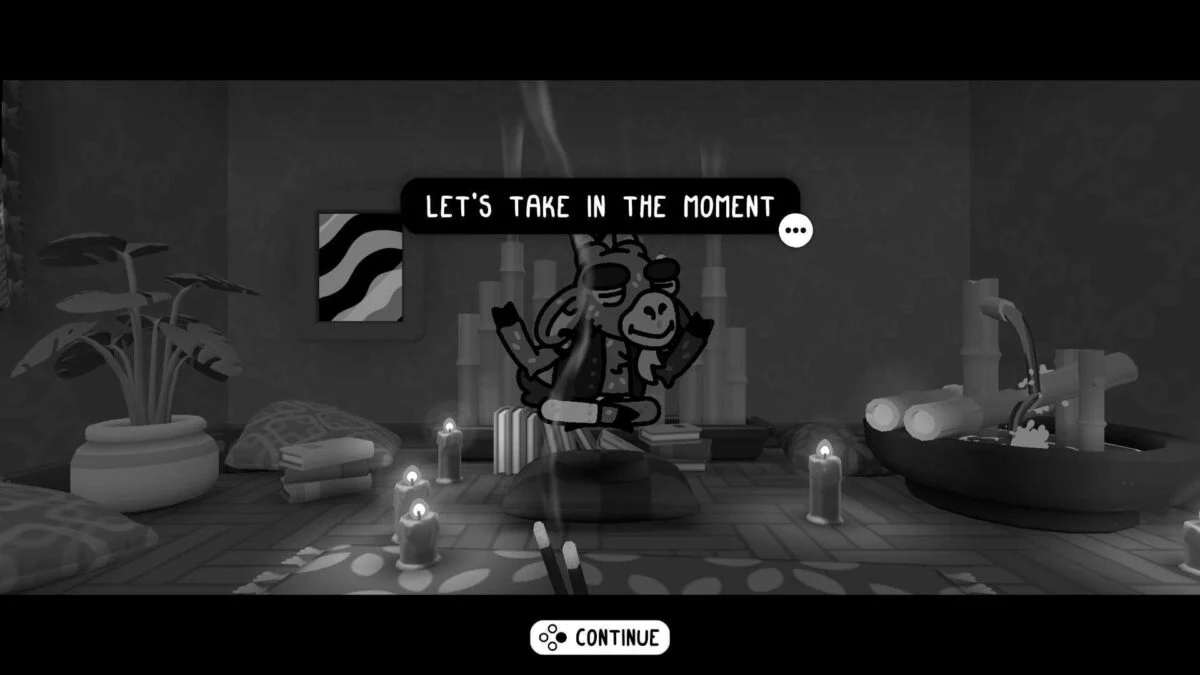
The soft lo-fi soundtrack continues to be a standout, perfectly complementing the monochrome art style and creating a consistently calming atmosphere.
Expanding the Meaning of “TOEM”
One of the most thoughtful changes in the sequel lies not in new mechanics, but in how it redefines the central idea of the series.
| Feature | TOEM (2021) | TOEM 2 (2026) |
| Core Goal | Journey to witness a singular “TOEM” |
Discovering multiple “TOEMs” across the world
|
| Pacing | More structured progression through hub zones |
More relaxed, exploration-focused loop
|
| Environment | Mostly flat, isometric levels |
Vertical and layered interactive spaces
|
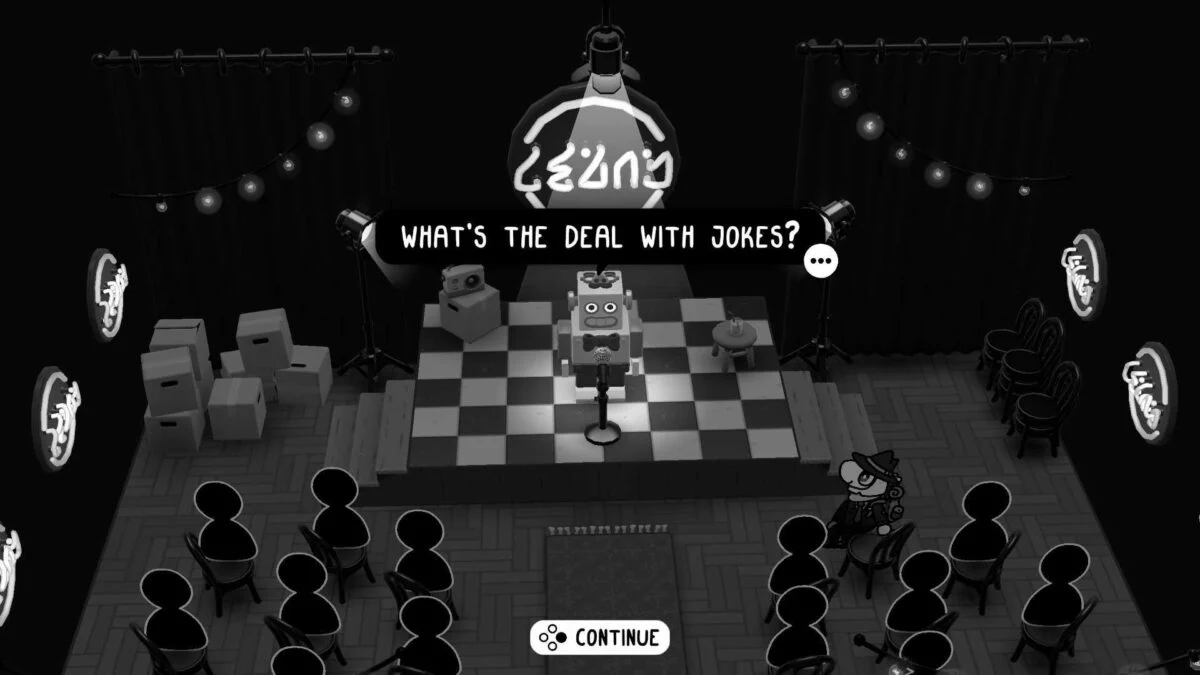
Where the first game built toward one memorable natural spectacle, TOEM 2 broadens the idea. “TOEM” is no longer framed as a single rare event. Instead, the sequel suggests that moments of quiet wonder exist in many places if you choose to look for them. This thematic expansion feels natural and reinforces the game’s gentle message without becoming heavy-handed.
Minor Limitations
- Some new tools lean toward gimmick rather than meaningful evolution of the core loop
- A few quest prompts feel slightly less elegant than the best moments of the original
- At 4–5 hours, the adventure ends just as many players fully settle into its rhythm
These are mild criticisms. The game never pretends to be larger or more complex than it is.
Final Verdict
TOEM 2 is a warm, thoughtful sequel that prioritizes refinement over reinvention. It preserves the heart of the original – the pleasure of slowing down, observing, and finding joy in small things – while offering taller spaces, cleaner presentation, and a slightly broader thematic outlook.
It will not convert players who found the first game too gentle or too short. For everyone else, especially fans of cozy experiences and photography-driven adventures, it is an easy recommendation and one of the most soothing games of 2026.
Pros
- Retains and gently expands the original’s charming photography loop
- Improved vertical level design encourages better observation
- Excellent lo-fi soundtrack and monochrome atmosphere
- Low-pressure progression that respects the player’s time
- Warm, consistent writing and character design
Cons
- New tools sometimes feel like temporary gimmicks
- Slightly less puzzle friction than the first game
- Short runtime may leave some players wanting more
Stay tuned to GameORB for more in-depth indie game reviews, esports coverage, and tech news!