



Control Resonant is not a cautious follow-up. Remedy Entertainment takes the paranatural world of the Federal Bureau of Control out of the Oldest House and into a distorted Manhattan, delivering a faster, more aggressive, and emotionally sharper experience that stands among the studio’s most ambitious games.
Game Information
Before diving into combat, exploration, and story, here is a quick overview of the key details behind Control Resonant.
| Category | Details |
| Developer |
Remedy Entertainment
|
| Publisher |
Remedy Entertainment
|
| Platforms |
PC, PS5, Xbox Series X|S
|
| Release Date |
September 24, 2026
|
| Genre |
Action-RPG / Character Action
|
| Playtime |
25–40+ hours (main story + exploration)
|
A Sequel That Changes the Rules
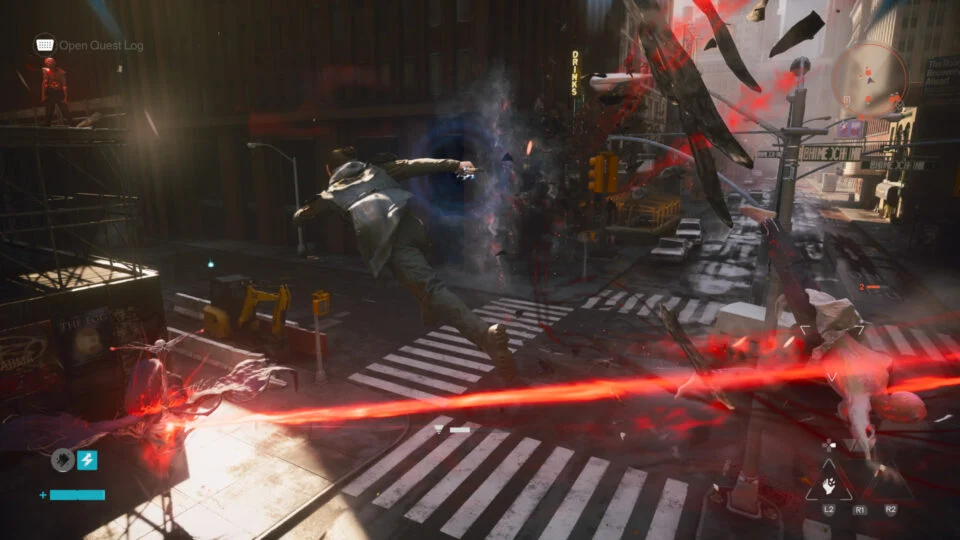
Seven years after the Hiss invasion of the Oldest House, the threat has spilled into New York. With Jesse Faden missing, the Bureau turns to her brother Dylan – once a prisoner and unwilling vessel of the Hiss – as their remaining option.
This change in protagonist and setting defines Control Resonant. Where the 2019 original felt contained, methodical, and steeped in bureaucratic dread, the sequel is louder, more kinetic, and emotionally direct. It trades some of the first game’s oppressive mystery for momentum, spectacle, and a stronger personal core.
Combat Mechanics & Telekinetic Evolution
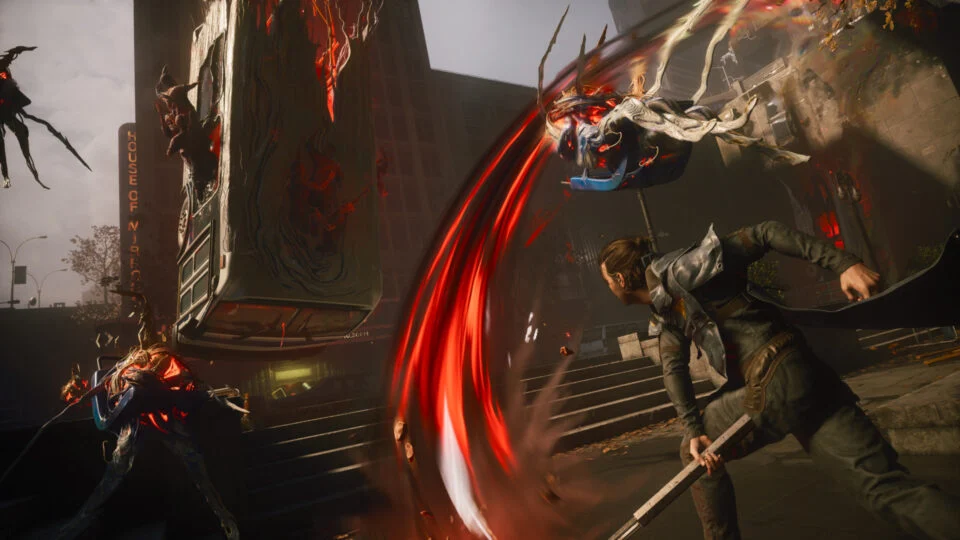
The most significant shift is combat. Dylan wields the Aberrant, a shapeshifting melee weapon that can transform into multiple forms – blades, heavy crushers, extending weapons, and more. These are combined with paranatural abilities that emphasize mobility and aggression.
The combat system rewards:
- Constant movement and aerial positioning
- Smart switching between weapon forms
- Build experimentation through abilities and upgrades
- High-impact encounters that prioritize timing and spatial awareness
Early hours can feel somewhat restricted until more forms and movement options unlock. Once the full toolkit becomes available, fights turn fluid and highly expressive, closer to character-action games than the gun-and-telekinesis loop of the original Control. Boss battles, in particular, stand out for their spectacle and creative use of space.
A Warped Manhattan Worth Exploring
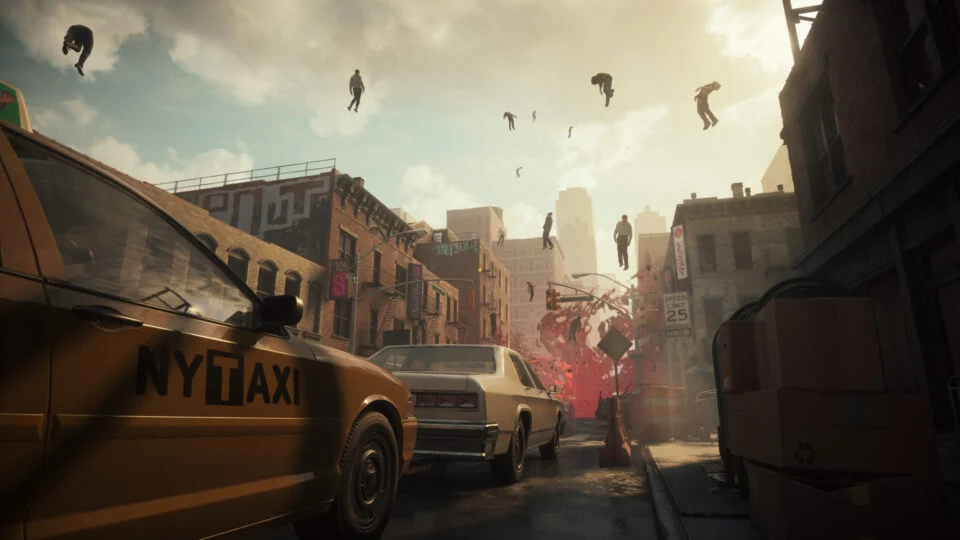
Instead of expanding the Oldest House, Remedy relocates the action to a Manhattan twisted by altered world events. Buildings fold into impossible geometries, gravity shifts unpredictably, and entire districts become vertical playgrounds.
Traversal is one of the game’s strongest elements. Abilities such as air dashes, grappling, limited flight, and gravity manipulation make moving through the city feel empowering. Side content and optional encounters are generally well-designed, though the non-Euclidean layout can occasionally make navigation confusing.
The sense of place is distinct from the original. The claustrophobic, brutalist corridors of the Oldest House are replaced by open, dreamlike urban chaos that still feels unmistakably Remedy.
Story, Characters, and Atmosphere
Dylan’s personal arc – guilt, fragile freedom, and the search for his sister – gives the narrative a more emotional center than the first game. While some dialogue leans too heavily on quips, the overall tone remains surreal, melancholic, and strangely sincere.
The game expands the broader Remedy Connected Universe without demanding deep prior knowledge. It strikes a workable balance for both newcomers and returning fans, though those deeply invested in the original’s lore may miss its denser mystery.
Technical Performance
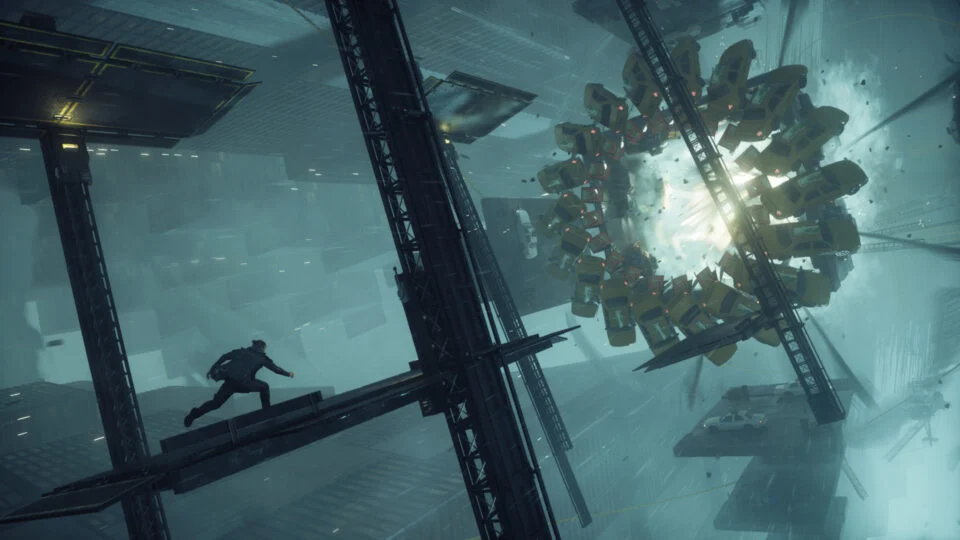
Powered by an enhanced Northlight Engine, Control Resonant is frequently stunning. Destruction, lighting, and particle effects deliver some of the most striking visuals of the year. On current-gen consoles and high-end PCs the game looks exceptional, though intense particle sequences can cause occasional frame drops on mid-range hardware.
Final Verdict
Control Resonant is Remedy working with clear creative confidence. It is less tightly controlled than the 2019 original, but more ambitious in scope, combat design, and emotional reach. The move to melee-focused action and a warped open Manhattan will not satisfy every fan of the first game’s methodical tone, yet the result feels distinct, memorable, and true to the studio’s identity.
For players open to its new direction, Control Resonant ranks among the most inventive and visually striking action games of 2026.
Pros
- Fluid, high-impact melee combat with strong build variety
- Inventive and visually spectacular warped Manhattan
- Strong sense of identity and atmosphere
- Meaningful focus on Dylan’s personal story
- Excellent audiovisual presentation
Cons
- Combat takes time to fully open up
- Navigation in non-Euclidean spaces can be disorienting
- Some uneven dialogue and pacing
- Occasional performance dips during heavy effects
Stay tuned to GameORB for more in-depth AAA game reviews, esports coverage, and hardware benchmarks!