


Video game adaptations have a long and often painful history in Hollywood. Most struggle to turn interactive fear into cinematic tension. Horror, however, has produced a handful of genuine exceptions. When filmmakers respect atmosphere, creature design, and the emotional core of the games, the results can be memorable – and sometimes highly profitable.
Here are five horror game movies that stood out by getting the essentials right.
Quick Overview
Here is a quick snapshot of the five horror game movie adaptations ranked in this list, highlighting what each film got right.
| Film | Source Game | What It Nailed |
| Five Nights at Freddy’s (2023) | Five Nights at Freddy’s |
Fan service + box-office scale
|
| Silent Hill (2006) | Silent Hill 1 & 2 |
Atmosphere and creature design
|
| Resident Evil (2002) | Resident Evil series |
Franchise-launching energy
|
| Werewolves Within (2021) | Werewolves Within |
Tone and character-driven tension
|
| Detention (2019) | Detention |
Cultural depth and psychological horror
|
| Rank | Film | Source Game | What It Nailed |
|---|---|---|---|
| 1 | Five Nights at Freddy’s (2023) | Five Nights at Freddy’s | Fan service + box-office scale |
| 2 | Silent Hill (2006) | Silent Hill 1 & 2 | Atmosphere and creature design |
| 3 | Resident Evil (2002) | Resident Evil series | Franchise-launching energy |
| 4 | Werewolves Within (2021) | Werewolves Within | Tone and character-driven tension |
| 5 | Detention (2019) | Detention | Cultural depth and psychological horror |
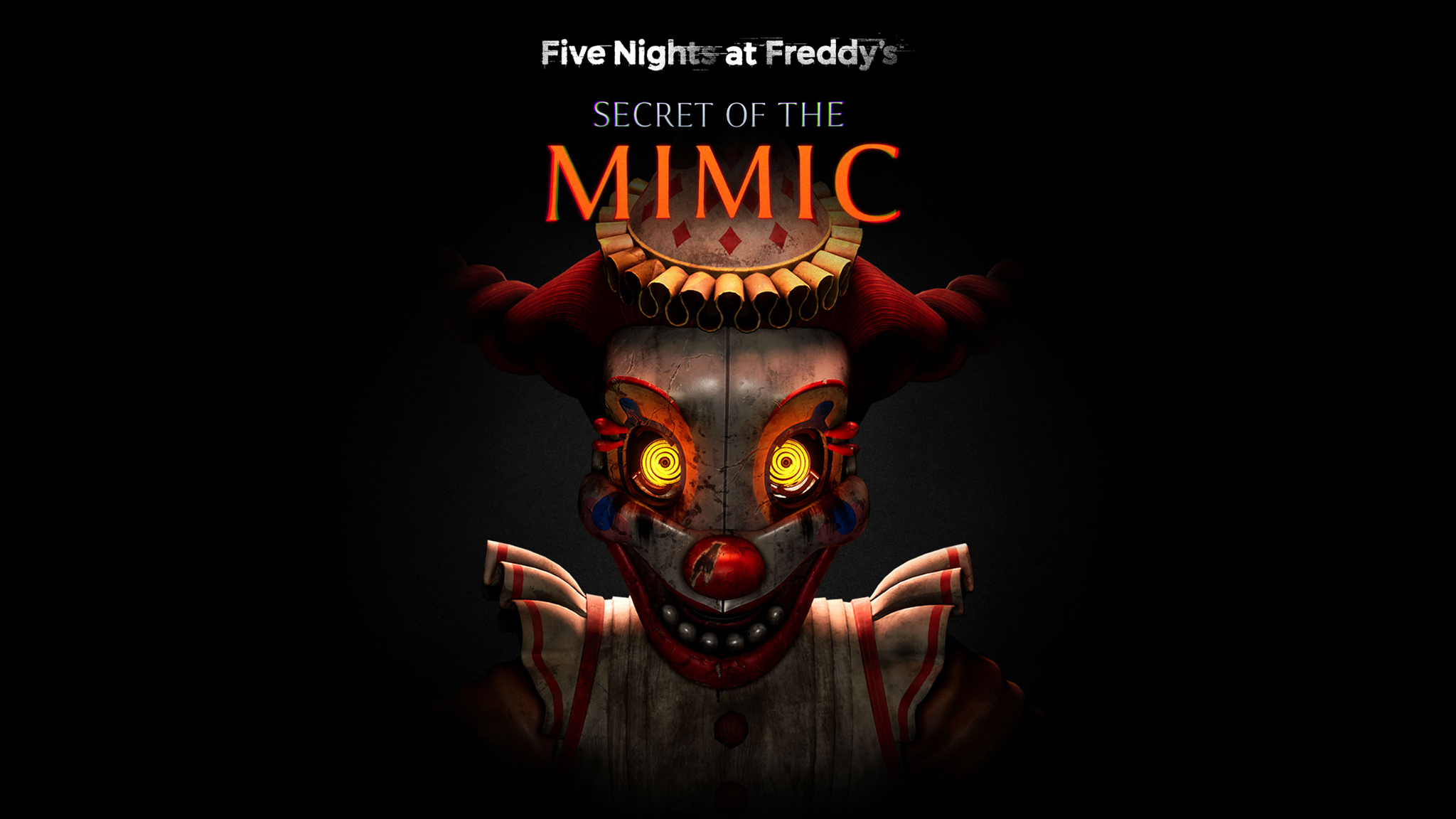
1. Five Nights at Freddy’s (2023)
Blumhouse’s take on Scott Cawthon’s indie phenomenon became one of the biggest video game adaptations of the decade, grossing over $290 million worldwide. What made it work was a clear understanding of its audience. The film leaned into the games’ mythology, used practical animatronics from Jim Henson’s Creature Shop, and filled the runtime with details only longtime fans would catch.
It is not a pure horror masterpiece, but it succeeded by treating the source material as something worth protecting rather than rewriting. For a franchise built on jump scares and lore, that respect paid off both critically with fans and commercially.
2. Silent Hill (2006)
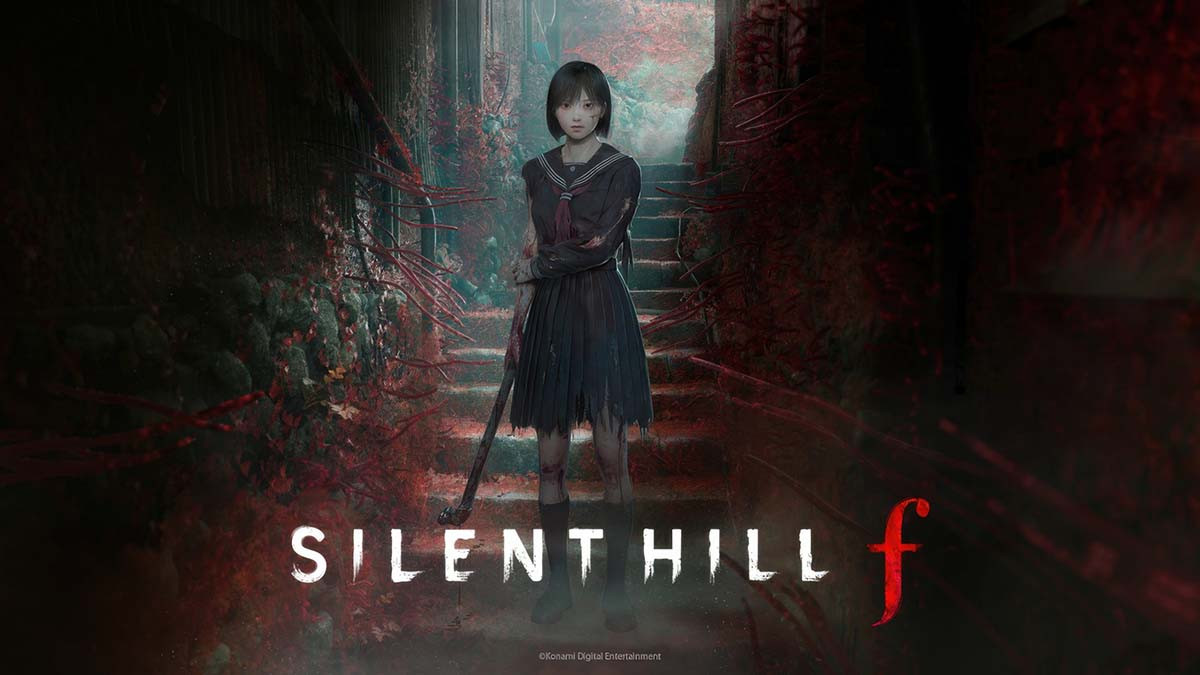
Christophe Gans’ adaptation remains one of the most visually distinctive video game movies ever made. Instead of forcing a conventional Hollywood structure, the film prioritized the oppressive fog, industrial decay, and nightmarish creature design that defined the early Silent Hill games.
Pyramid Head, the Otherworld transitions, and the town’s oppressive mood feel pulled directly from the source. While the plot has always divided viewers, the commitment to atmosphere and practical effects still holds up. Few game adaptations have matched its pure visual identity.
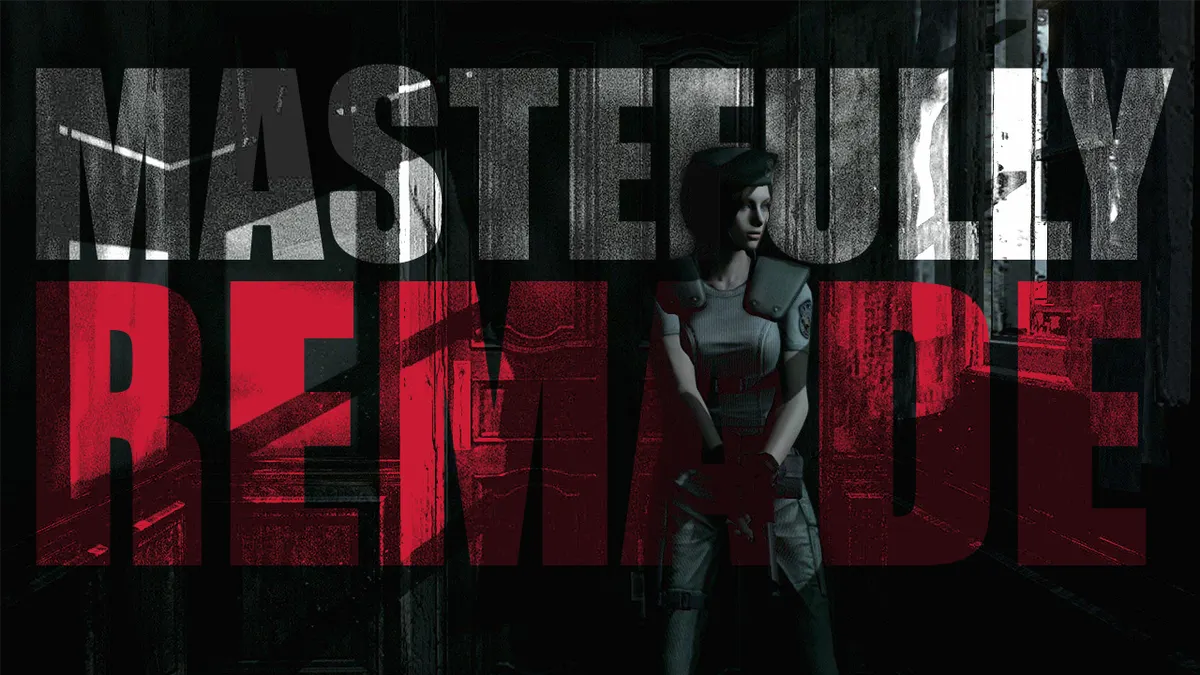
3. Resident Evil (2002)
Paul W.S. Anderson’s first Resident Evil film took liberties with the games, shifting toward action-horror. Yet it captured something essential: the claustrophobic dread of the Hive, the corporate conspiracy of Umbrella, and the relentless zombie threat.
Anchored by Milla Jovovich and a memorable industrial score, the movie launched a long-running franchise that, for better or worse, became the most commercially successful horror-game film series to date. It proved that a game property could sustain multiple sequels on the big screen.
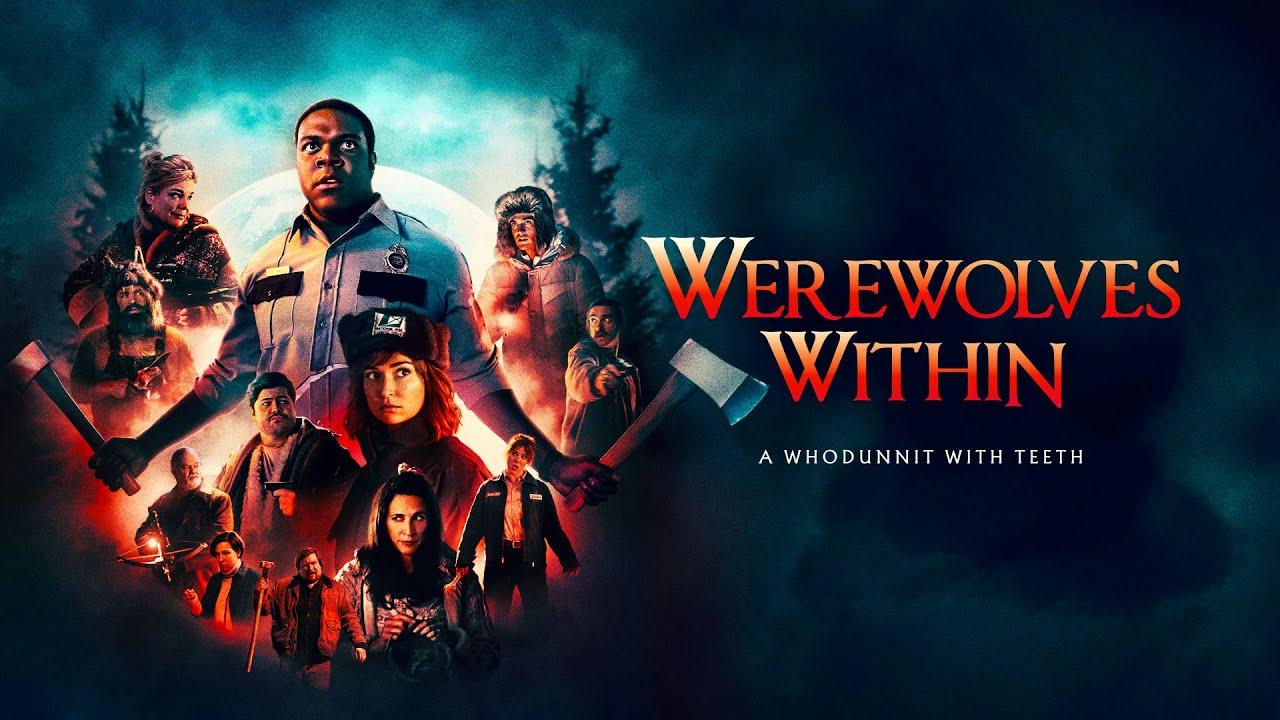
4. Werewolves Within (2021)
Adapted from Ubisoft’s social-deduction VR game, this sharp horror-comedy surprised critics with a 86% Rotten Tomatoes score. Rather than chasing cheap scares, it focused on the game’s core idea – suspicion, isolation, and fractured trust within a small group.
The result is a tight, character-driven mystery that feels closer to a classic whodunit than a typical monster movie. Its success shows that smaller, less obvious game properties can sometimes yield stronger cinematic results than the biggest franchises.
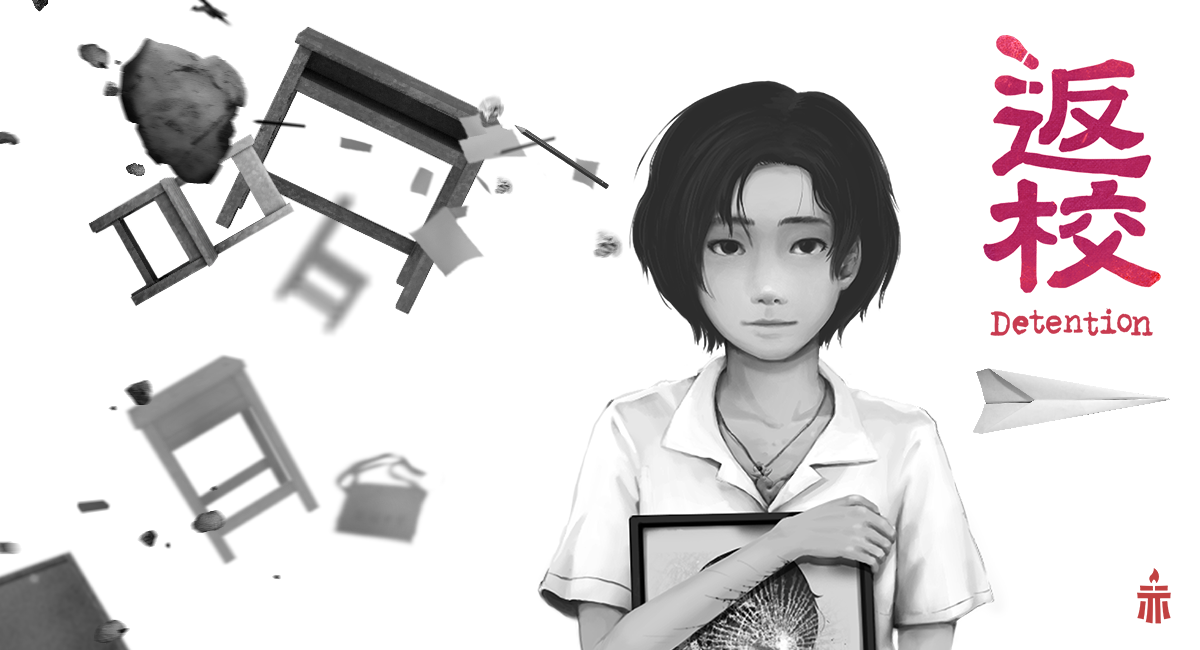
5. Detention (2019)
This Taiwanese adaptation of Red Candle Games’ indie horror title stands apart for its cultural and historical weight. Set during the White Terror period of the 1960s, the film blends supernatural dread with real political trauma.
It stays faithful to the game’s tone and themes while expanding the emotional and historical context. The result was both a critical success in Asia and a commercial hit, proving that indie horror games with strong storytelling foundations can translate powerfully to cinema.
Looking Ahead
The pipeline for horror game adaptations remains active. Projects like the Dead by Daylight film (in development with Blumhouse and Atomic Monster) suggest studios continue to see potential in the genre. Whether future adaptations follow the atmospheric route of Silent Hill, the fan-service model of Five Nights at Freddy’s, or the intimate approach of Detention will determine if the success rate improves.
For now, these five films remain the clearest examples of horror game adaptations that understood what made their source material work – and brought that understanding to the screen.
Stay tuned to GameORB for more ranked lists, horror coverage, and in-depth gaming analysis.