



Demon Slayer: Kimetsu no Yaiba has become one of the defining action anime of its generation, combining spectacular battles with an emotional story about family, loss, and perseverance. But beyond its visual spectacle, does the series deliver a compelling experience from beginning to end? This Demon Slayer review explores its storytelling, characters, animation, and weaknesses to determine whether it deserves a place on your watchlist. At GameORB, we take a closer look at what makes this anime stand out and whether it lives up to its reputation.
Demon Slayer Information
Before diving into this Demon Slayer review, here is a quick overview of the anime’s key information.
| Detail | Information |
| Anime Title | Demon Slayer: Kimetsu no Yaiba |
| Release Date | April 6, 2019 (Japan) |
| Animation Studio | ufotable |
| Director | Haruo Sotozaki |
| Episodes | 63 TV episodes across the main anime arcs, including the Mugen Train TV arc |
| Episode Runtime | Approximately 24 minutes per episode |
| Genres | Action, Dark Fantasy, Adventure, Supernatural |
| Original Work | Koyoharu Gotouge’s manga |
| Main Characters | Tanjiro Kamado, Nezuko Kamado, Zenitsu Agatsuma, Inosuke Hashibira, Giyu Tomioka |
| Original Language | Japanese |
What Is Demon Slayer About?
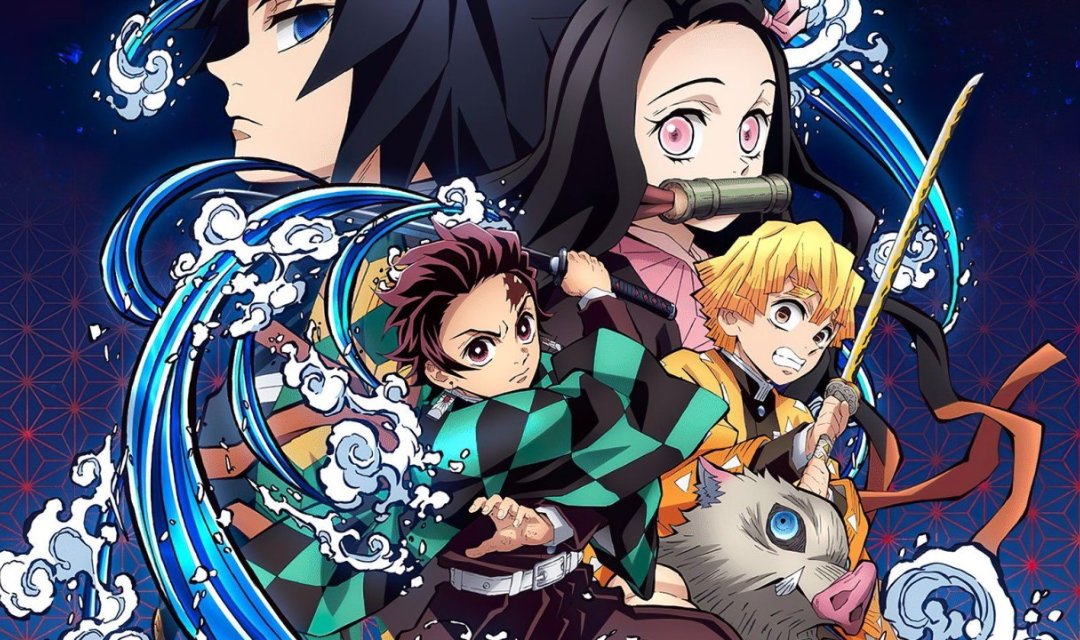
Set in Japan during the Taisho era, Demon Slayer follows Tanjiro Kamado, whose life is shattered when a demon kills his family and transforms his younger sister, Nezuko, into a demon. Determined to restore her humanity, Tanjiro joins the Demon Slayer Corps to hunt demons and find a way to save her.
As Tanjiro faces increasingly powerful enemies and builds friendships along the way, the story explores themes of family, sacrifice, and compassion. Although it follows familiar shonen conventions, its tragic demon backstories add emotional depth to the battles and highlight the humanity behind many of its conflicts.
What Makes Demon Slayer Stand Out?
The Demon Slayer anime combines a relatable protagonist, striking visuals, memorable music, and emotional storytelling. However, its strengths do not always overcome its predictable narrative and uneven character development.
Tanjiro Kamado Is a Compelling Protagonist
Tanjiro Kamado’s compassion, determination, and devotion to Nezuko give his journey a strong emotional foundation. His empathy toward defeated demons also adds depth to battles that might otherwise feel straightforward. However, his consistently kind nature can make his character development feel predictable for viewers who prefer more morally complex protagonists.
Demon Slayer Animation Sets a High Standard
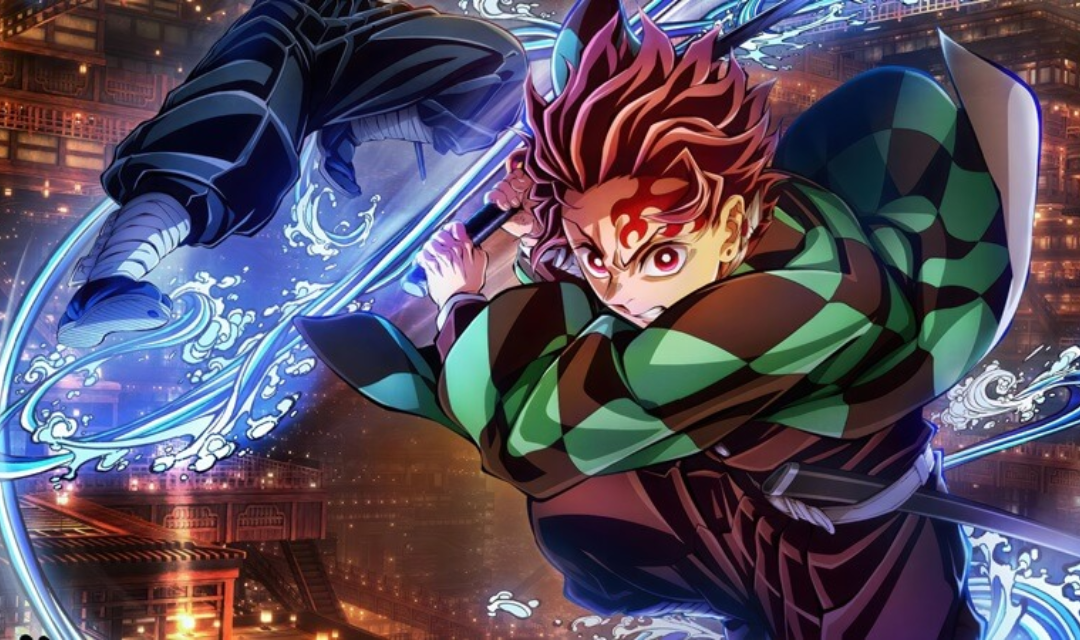
Produced by ufotable, Demon Slayer stands out for its fluid combat, detailed backgrounds, and distinctive visual effects. Techniques such as Water Breathing and Hinokami Kagura transform sword fights into visually impressive sequences. However, the elaborate effects can sometimes overshadow combat strategy, and strong visuals cannot fully compensate for familiar storytelling.
Emotional Storytelling Gives the Battles Meaning
Themes of grief, family, sacrifice, and empathy give the battles greater emotional weight. The backstories of defeated demons often reveal the suffering behind their transformations, reinforcing the series’ central message about compassion. However, this recurring pattern can become predictable, particularly when tragic revelations appear just before a demon’s defeat.
The Soundtrack Elevates the Emotional Impact
Yuki Kajiura and Go Shiina’s soundtrack combines orchestral arrangements, dramatic percussion, and traditional Japanese influences to strengthen both action scenes and quieter emotional moments. Alongside expressive voice acting and animation, the music helps create some of the series’ most memorable sequences, although dramatic scoring can occasionally feel excessive.
Supporting Characters Add Humor and Energy
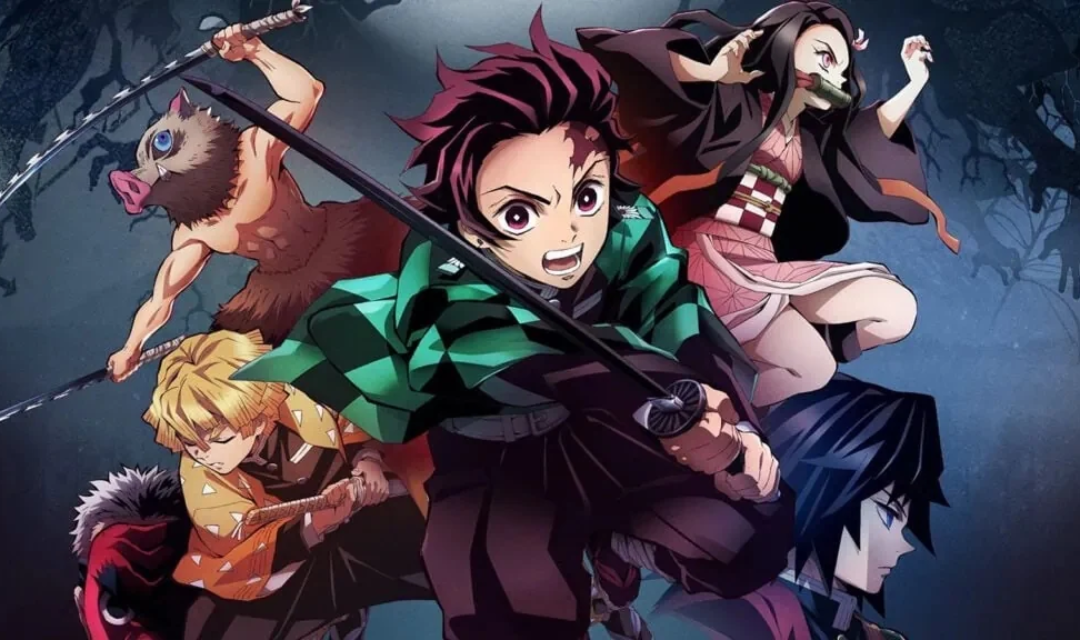
Zenitsu Agatsuma and Inosuke Hashibira bring contrasting personalities and humor, while the Hashira expand the story with distinctive fighting styles and motivations. However, Zenitsu’s exaggerated reactions can interrupt tense moments, and some supporting characters receive limited development. Nezuko also has less dialogue and independent agency than Tanjiro, sometimes making her feel more like the driving force behind his journey than an equally developed lead.
How Demon Slayer Has Evolved Beyond the TV Anime
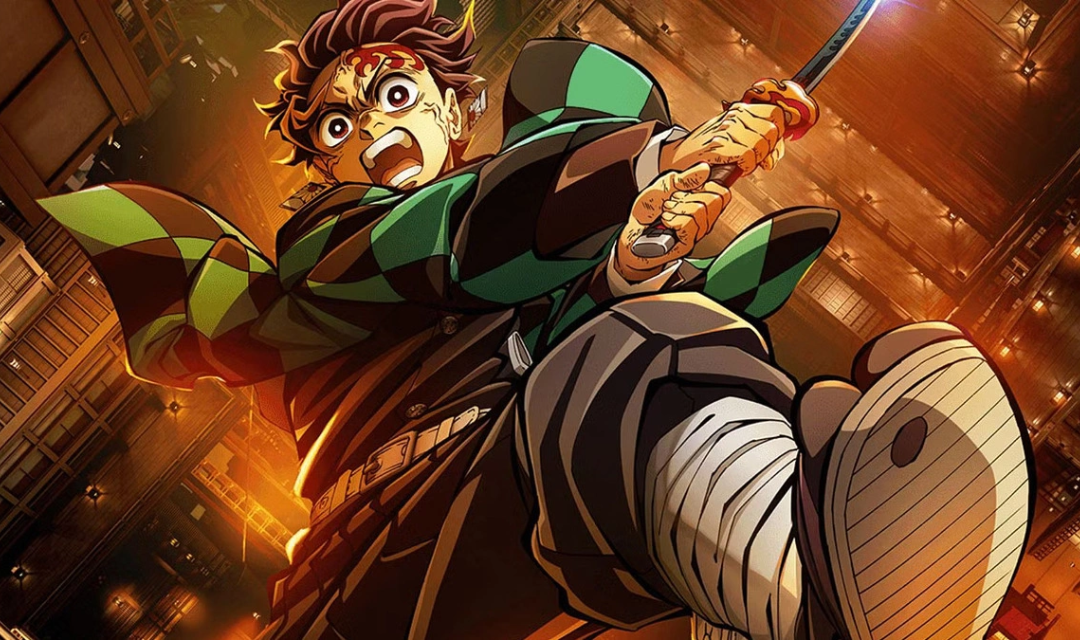
Beyond its TV series, Demon Slayer has expanded into theatrical films, with Demon Slayer: Kimetsu no Yaiba Infinity Castle marking the beginning of a planned trilogy adapting the manga’s final arc. The first film premiered in Japan on July 18, 2025, bringing Tanjiro and the Demon Slayer Corps into their climactic battle against Muzan Kibutsuji and his forces.
For viewers following the franchise, Infinity Castle continues the story established in the earlier anime arcs. Watching the TV series and Mugen Train first provides essential context for the characters and their motivations. The second film’s release date has not been officially confirmed, so readers should follow official anime announcements for updates.
Frequently Asked Questions
Here are answers to the most common questions about Demon Slayer:
Is Demon Slayer worth watching?
Yes. Its compelling central relationship, spectacular animation, and emotional battles make it an excellent choice for fans of action and fantasy anime.
Is Demon Slayer suitable for beginners?
Yes. The story is relatively easy to follow, and its clear motivations make it accessible to newcomers. However, viewers should be comfortable with graphic violence and darker themes.
Do I Need to Watch Mugen Train Before Infinity Castle?
Yes. The Mugen Train storyline introduces important character developments and events that influence later arcs. Watching the TV series in release order, including the Mugen Train arc, provides the clearest context before Infinity Castle.
Conclusion
Demon Slayer delivers outstanding animation, an evocative soundtrack, and emotionally engaging battles, even if its familiar story structure and uneven character development hold it back. It is an easy recommendation for action anime fans, though viewers seeking more unconventional storytelling may find its limits apparent. GameORB recommends giving it a watch if you enjoy high-stakes battles with a meaningful emotional core.