



Forever Ago is a quiet, emotionally driven narrative adventure about grief, memory, and the difficult process of continuing forward. Developed by Third Shift and published by Annapurna Interactive, it delivers a sincere story and strong atmosphere, but its extremely light gameplay may leave some players wanting more substance.

Game Information
Before exploring the story, photography mechanics, and overall experience, here is a clear overview of the key details for Forever Ago.
| Category | Details |
| Developer | Third Shift |
| Publisher |
Annapurna Interactive
|
| Platforms |
PC, PS5, Xbox Series X|S, Nintendo Switch 2
|
| Release Date | October 8, 2026 |
| Genre |
Narrative Adventure
|
| Playtime |
Approx. 3–6 hours
|
Overview: A Road Trip Through Grief
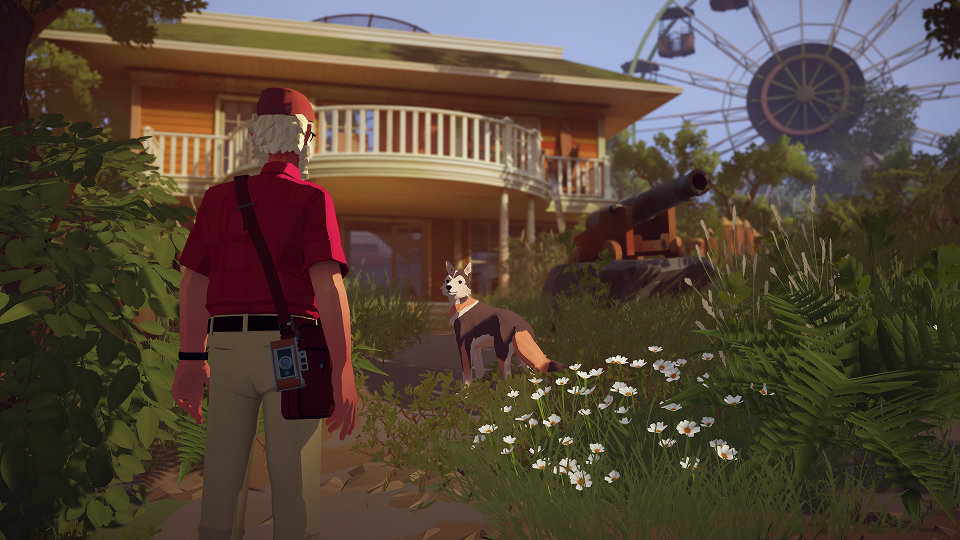
Forever Ago follows Alfred, an elderly man in his seventies who sets out on a solo road trip in his aging camper van after a profound personal loss. Guided by memories and a journal connected to his late wife, Audrey, he revisits places that once held meaning for them across forests, coastlines, and quiet stretches of the American landscape.
This is a deliberately slow and intimate experience. The game places atmosphere, character, and emotional honesty far above mechanical complexity. For players who connect with its themes of love, regret, and aging, it can feel genuinely moving. For those seeking richer interaction or stronger player agency, the limited gameplay may become noticeable.
Narrative and Emotional Impact
The clearest strength of Forever Ago lies in its writing and emotional restraint. Alfred’s journey is handled with care rather than melodrama. The story unfolds through quiet conversations, personal reflections, diary-like moments, and small environmental details that gradually piece together a life shared with Audrey.
Themes of solitude, mortality, lingering love, and the weight of memory are treated with sincerity. The game does not force easy resolutions or sentimental shortcuts, and that honesty gives the narrative its quiet power. Voice performances play an important role here, adding warmth and credibility that help the central relationship feel lived-in rather than purely symbolic.
At the same time, the overall structure remains relatively straightforward. Some emotional beats will feel familiar to anyone who has spent time with similar story-focused indie titles, and the short runtime means certain ideas are introduced and resolved without extensive development. The result is affecting many players, though not always surprising.
Gameplay: Photography and Gentle Exploration
Gameplay in Forever Ago is intentionally minimal. Players move through carefully arranged locations, interact with a limited number of objects, speak with occasional characters, and use Alfred’s vintage camera to photograph specific points of interest. These photographs often trigger memories or gently advance the story.
The camera system is meaningful within the narrative context – it reinforces themes of memory and preservation – but it never grows into a deep mechanical layer. Exploration remains light, environmental puzzles are simple, and meaningful player choice is scarce. Large portions of the experience consist of walking, observing, and listening.
This design will resonate with players who prefer contemplative, story-first games. Others may find the lack of interaction increasingly apparent, especially in the later chapters where the pace slows further and the mechanical variety stays limited. Forever Ago sits closer to an interactive short story than a traditionally engaging adventure game.

Presentation and Atmosphere
Visually, Forever Ago uses a warm, stylized 3D look that suits its reflective tone. Landscapes feel serene and thoughtfully composed, with lighting and color helping to reinforce the bittersweet mood of the journey.
The soundtrack and sound design are among the game’s most effective tools. Soft acoustic cues, environmental audio, and well-timed musical moments support the emotional weight without becoming overbearing. Together with the voice acting, the audiovisual presentation does much of the heavy lifting.
Final Verdict
Forever Ago succeeds as a sincere and gently affecting narrative experience. Its portrayal of grief and memory is handled with care, and its presentation creates a cohesive, melancholic atmosphere. For players who value story and emotion above systems, it can be a memorable short journey.
However, the game’s extremely light gameplay and limited interactivity prevent it from feeling fully satisfying as an interactive work. It sits closer to an illustrated short story than a traditionally engaging adventure game.
Recommended for fans of slow, emotional narrative experiences. Those looking for richer mechanics or stronger player agency may want to approach with tempered expectations.
Pros
- Sincere and carefully written story about grief and memory
- Strong atmosphere supported by visuals, music, and voice acting
- Thoughtful central character and emotional tone
- Short, focused runtime that avoids unnecessary padding
Cons
- Extremely light gameplay with minimal interactivity
- Photography and exploration systems remain simple
- Predictable emotional beats for some players
- Limited replay value once the story is completed
Stay tuned to GameORB for more in-depth indie game reviews, narrative breakdowns, and esports insights!